


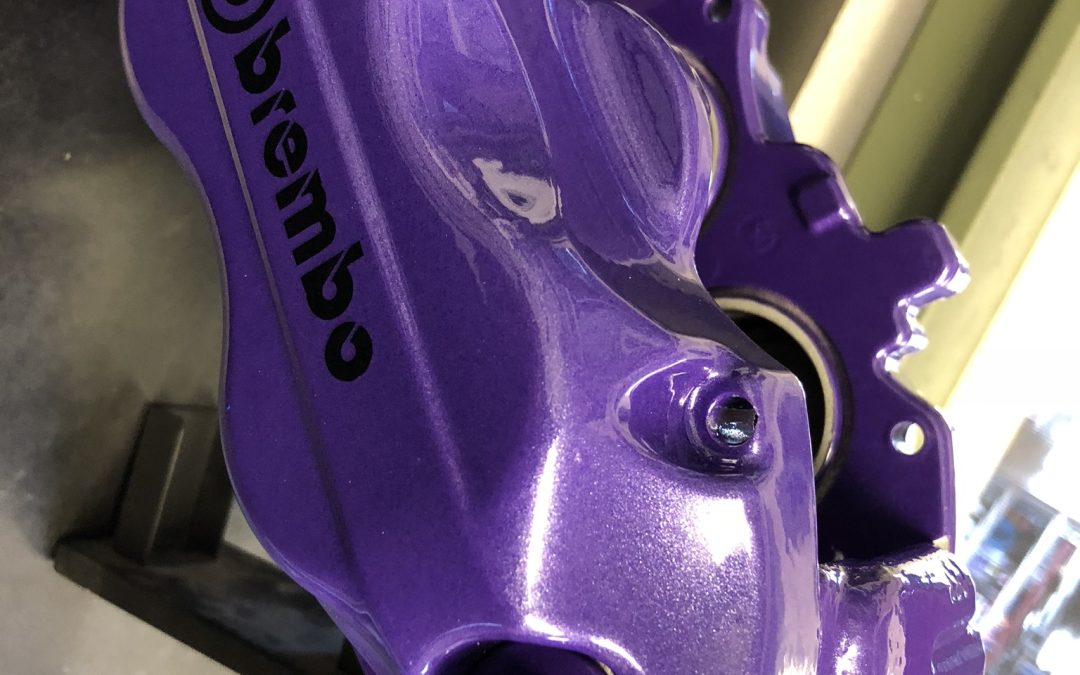
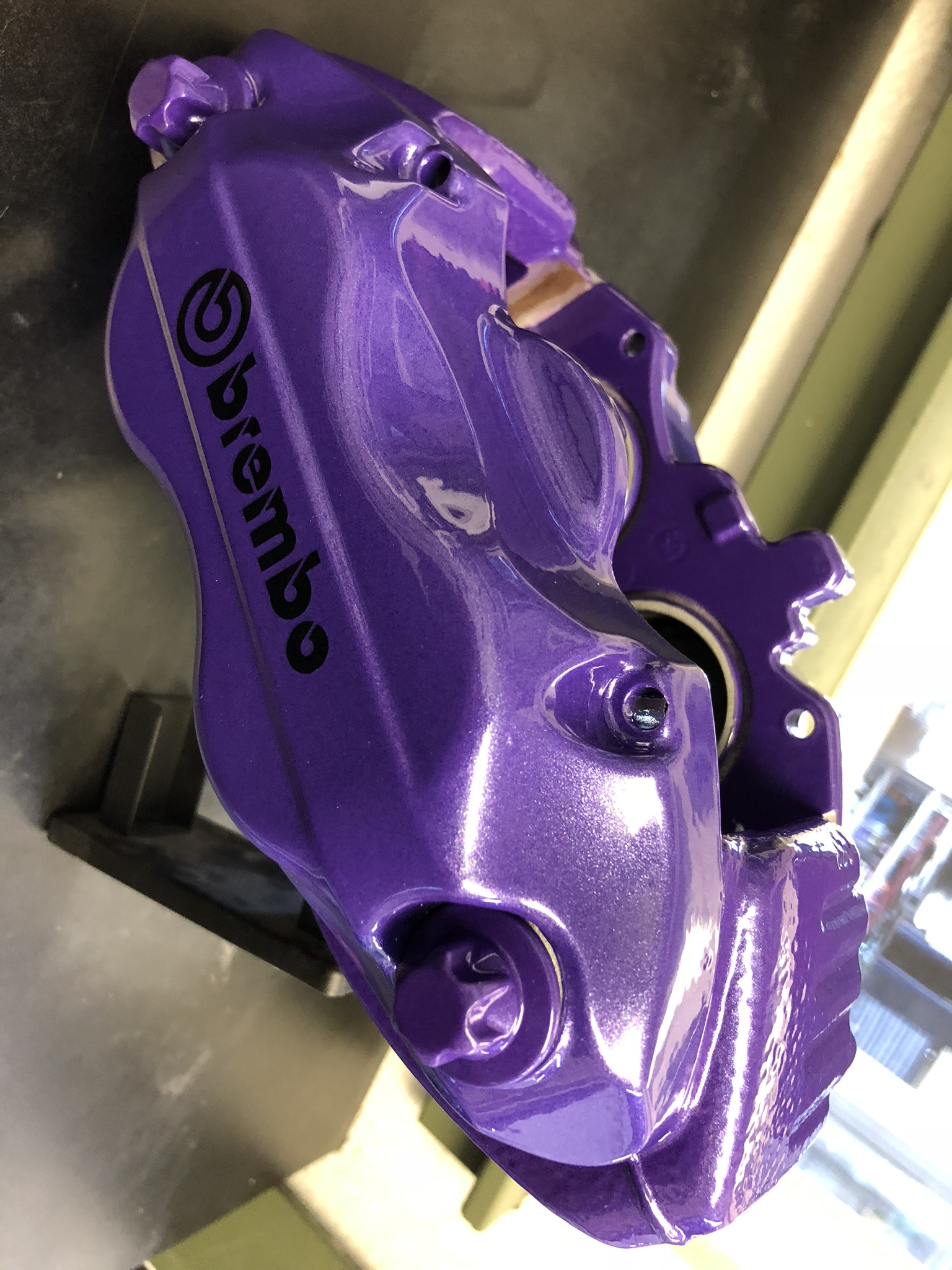
So you've decided to give your Brembo calipers a fresh look with powder coating. Smart move. Custom brake calipers can completely transform the look behind your wheels: especially on Mopar machines like Chargers, Challengers, and 300s where those big Brembos are front and center.
But here's the thing: when those calipers come off for powder coating, you've got a golden opportunity. Your brake system is already apart, the wheels are off, and everything's accessible. Why not take care of some other maintenance while you're at it?
Let's talk about what you should be checking, replacing, or upgrading while your calipers are getting their makeover.
Inspect (or Replace) Your Brake Rotors
First up: rotors. If you're pulling calipers anyway, you're already 90% of the way to a rotor swap. And if those rotors have seen some miles, this is the perfect time to address them.
Check for these signs your rotors need attention:
Scoring or grooves – Run your fingers across the rotor surface. Deep grooves mean your pads have been eating into the metal, which reduces braking performance and can damage new pads.
Warping – Ever feel a pulsing in the brake pedal or steering wheel when you brake? That's usually warped rotors. They can be resurfaced if there's enough material left, but replacement is often the better call.
Rust or corrosion – Surface rust is normal if the car sits, but heavy rust buildup around the hat or vanes is a red flag. This is especially common on cars in humid climates or those that don't get driven regularly.
Thickness – Rotors have a minimum thickness specification stamped on them. If yours are at or near that limit, replace them. Running rotors too thin is a safety issue.
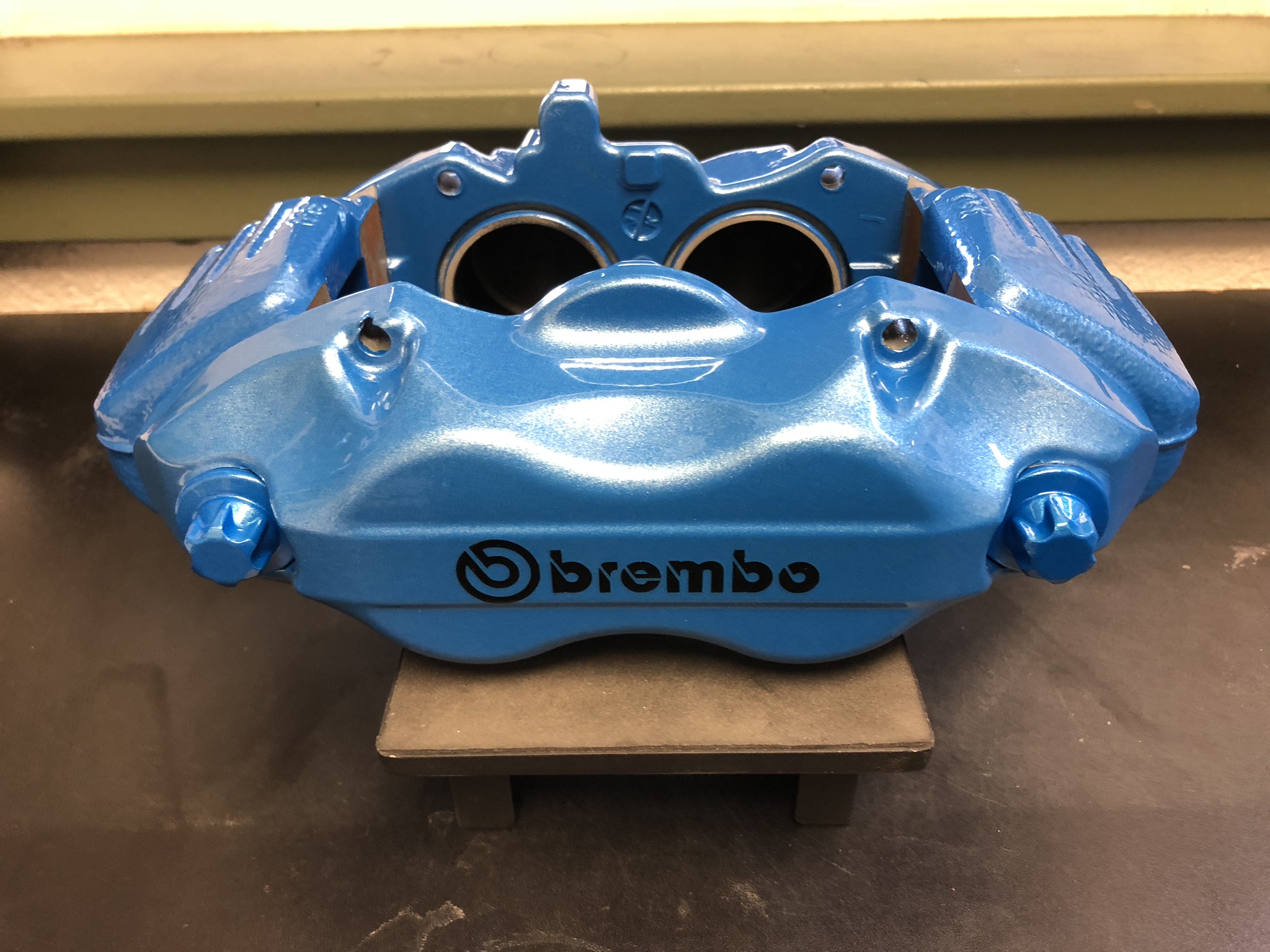
If you're going to the trouble of custom brake calipers in that perfect shade of TorRed, Sublime, or Go Mango, you don't want them clamping down on crusty old rotors. Fresh rotors not only improve stopping power: they look clean behind those freshly coated calipers.
And here's a pro tip: consider upgrading to slotted or drilled rotors if you're into spirited driving or track days. They dissipate heat better and can reduce brake fade. Just make sure they're quality pieces: cheap drilled rotors can crack under hard use.
Throw in Fresh Brake Pads
While the calipers are off getting their powder coat treatment, you've got direct access to the brake pads. This is maintenance 101, but it's worth mentioning because it's so easy to overlook.
Pull those pads and give them a real inspection:
Thickness – Most brake pads should be replaced when they get down to about 3mm of friction material. If you're close to that, don't wait. New pads are cheap insurance compared to scoring up fresh rotors or, worse, metal-on-metal grinding.
Uneven wear – Pads wearing unevenly can indicate sticking slide pins, a seized caliper piston, or other issues. If one pad is significantly more worn than its partner, investigate why before reassembly.
Glazing – Shiny, smooth pads that look almost polished? That's glazing, usually from overheating. Glazed pads don't grip well and should be replaced.
Cracks or chunks missing – Any structural damage to the pad means it's done. Don't gamble on it.
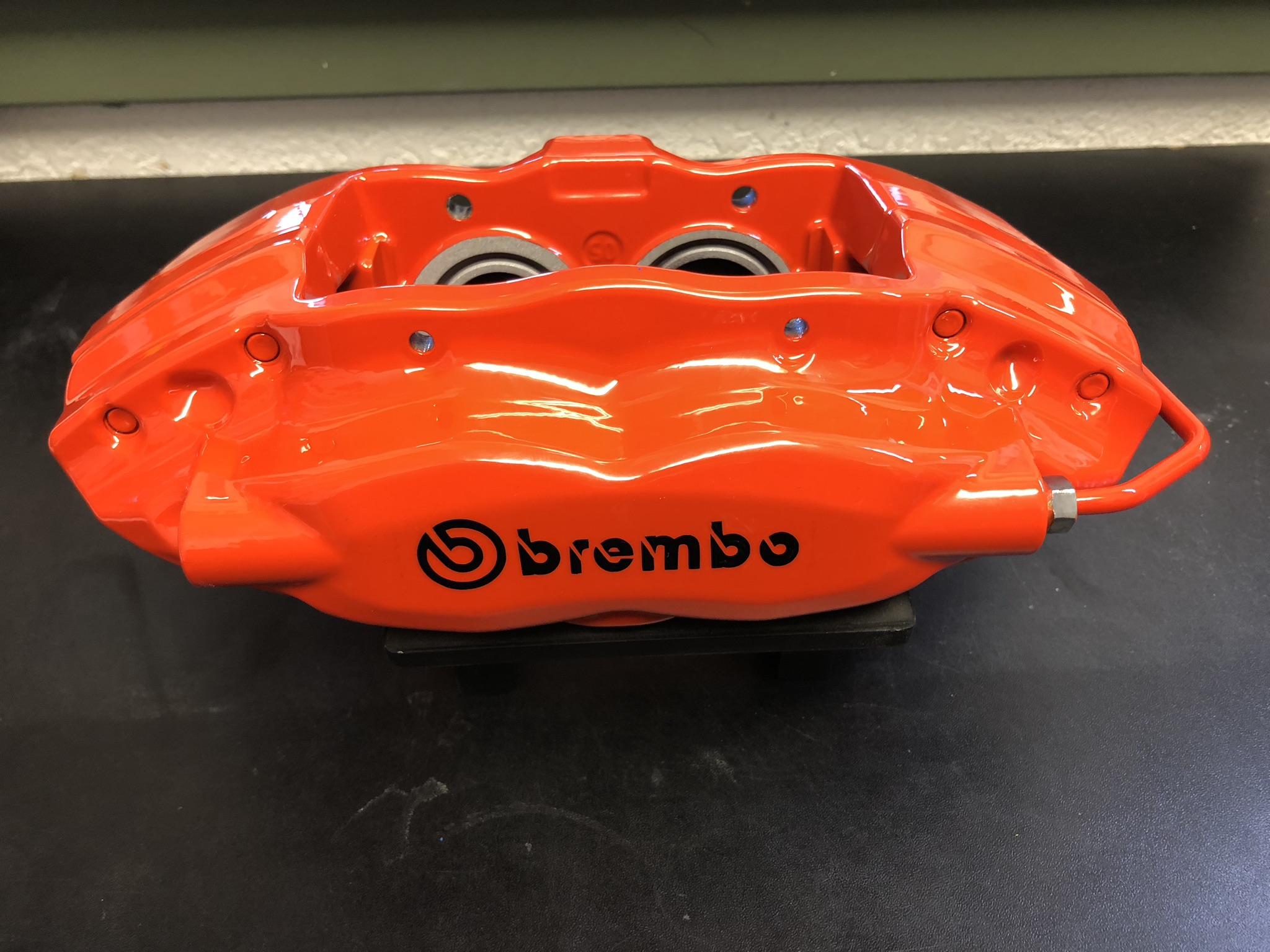
Here's the thing about brake pads: if you're doing Brembo caliper powder coating on a performance car like a Challenger or Charger, you might want to upgrade from the factory pads anyway. Performance pads offer better bite, less dust, and improved fade resistance. Brands like Hawk, EBC, and Stoptech make excellent options for street and track use.
And don't forget the brake pad hardware: those little clips, shims, and anti-rattle springs. They're usually included with quality pad sets, and they make a noticeable difference in how quiet and smooth your brakes feel. Replace them. They're a few bucks and take seconds to install.
Check Your Brake Lines
This one gets overlooked all the time, but brake lines age. And old brake lines can compromise your entire braking system, no matter how nice those custom brake calipers look.
Factory rubber brake lines deteriorate over time. They can crack, bulge, or develop internal damage you can't see from the outside. Worse, rubber lines expand slightly under pressure, giving you a spongy brake pedal feel.
While your calipers are off, inspect every inch of brake line you can see:
Cracks or dry rot – Especially near the fittings where the line flexes most. Any visible cracking means replacement.
Bulging – A bubble or bulge in the line is a failure waiting to happen. Replace immediately.
Brake fluid leaks – Wet spots, stains, or crusty deposits around fittings indicate leaks. Don't ignore these.
If your lines look questionable: or if the car's old enough that you just don't know their history: consider upgrading to stainless steel braided brake lines. They don't expand under pressure, which gives you a firmer pedal feel and more consistent braking. They also last basically forever and look great behind open-spoke wheels.
For Mopar guys running big Brembos, the improved pedal feel from braided lines is noticeable, especially if you're pushing the car hard.
Don't Forget the Small Stuff
While you're in there with everything apart, take care of these often-forgotten items:
Caliper slide pins and boots – Clean and re-grease the slide pins with proper caliper grease (not just any grease: it needs to handle brake system temperatures). Replace torn or cracked slide pin boots. Sticking slide pins cause uneven pad wear and can make your new powder coated calipers perform poorly.
Bleeder screws – These have a tendency to seize over time, especially in salty or humid climates. If yours are crusty or rounded off, replace them now while access is easy. You'll thank yourself when it's time to bleed the brakes.
Brake fluid – You'll need to bleed the system after reinstalling the calipers anyway, so this is the perfect time for a complete brake fluid flush. Fresh fluid prevents corrosion inside the calipers and maintains proper boiling points. Use DOT 4 or DOT 5.1 (not DOT 5: that's silicone-based and not compatible).
Wheel bearings – If you're already in this deep, consider checking the wheel bearings. You don't need to replace them unless they're showing wear, but a quick inspection can save you from pulling everything apart again in six months.
The Core Exchange Program: How to Minimize Downtime
Here's the reality: sending your calipers off for powder coating means your car's going to be down for a while. For some people, that's fine. For others: especially if this is your daily driver: that's a problem.
That's where a core exchange program makes sense.
With a core exchange, you get a set of freshly powder coated calipers sent to you first. You install them, then send your old calipers back as cores. This cuts your downtime from weeks to basically however long it takes you to swap calipers.
For Mopar owners with Brembo setups, this is especially convenient. Those big six-piston fronts and four-piston rears aren't exactly quick to swap, but at least you're not waiting around with your car on jack stands for three weeks.
The process is straightforward: order your custom brake calipers in whatever color and finish you want, they ship out, you install them and return your old calipers in the same box. Your car's back on the road in a weekend instead of a month.
And if you're doing all the maintenance we've been talking about: rotors, pads, lines, fluid: you'll need the car apart anyway. Might as well do it all at once.
Plan Your Work, Then Work Your Plan
The key to making the most of this opportunity is planning ahead. If you're going to have the calipers off for Brembo caliper powder coating anyway, order your rotors, pads, and any other parts before the calipers come back. That way, when your freshly coated calipers arrive, you can knock out the entire job in one shot.
Nothing's worse than getting your new powder coated calipers back, installing them with old rotors and worn pads, and then having to tear it all back apart in six months because you skipped the obvious maintenance.
Do it right the first time. Your brakes: and your Mopar: will thank you.
About California Calipers / Contact Us
California Calipers
831-435-9558
californiacalipers@nullgmail.com
https://www.californiacalipers.com/
Recent Comments