


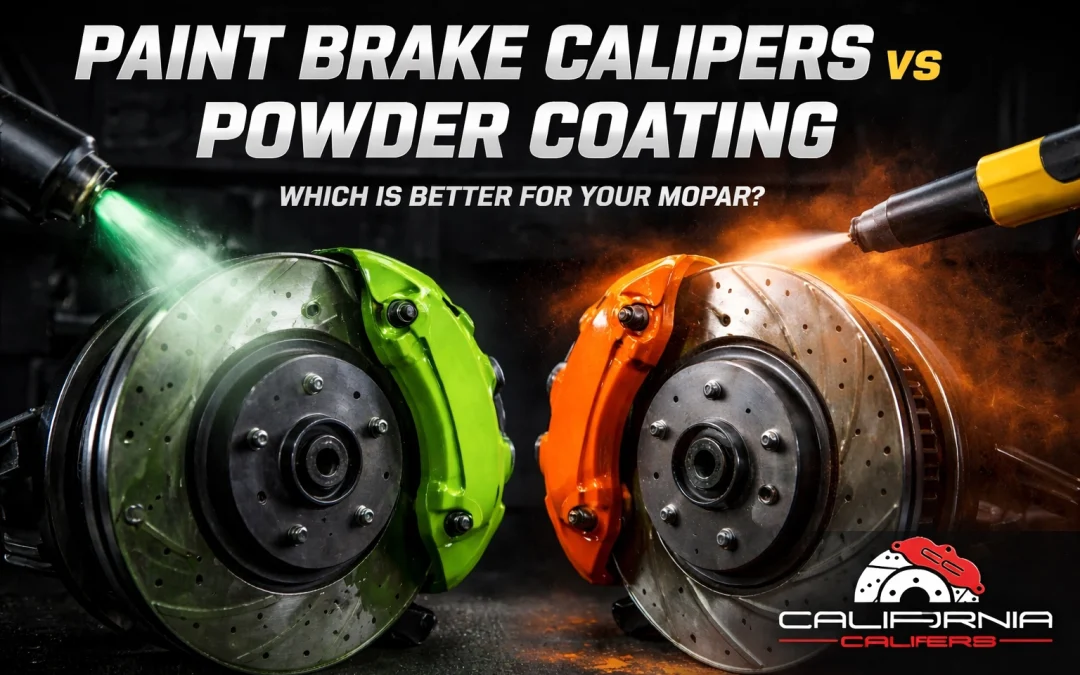
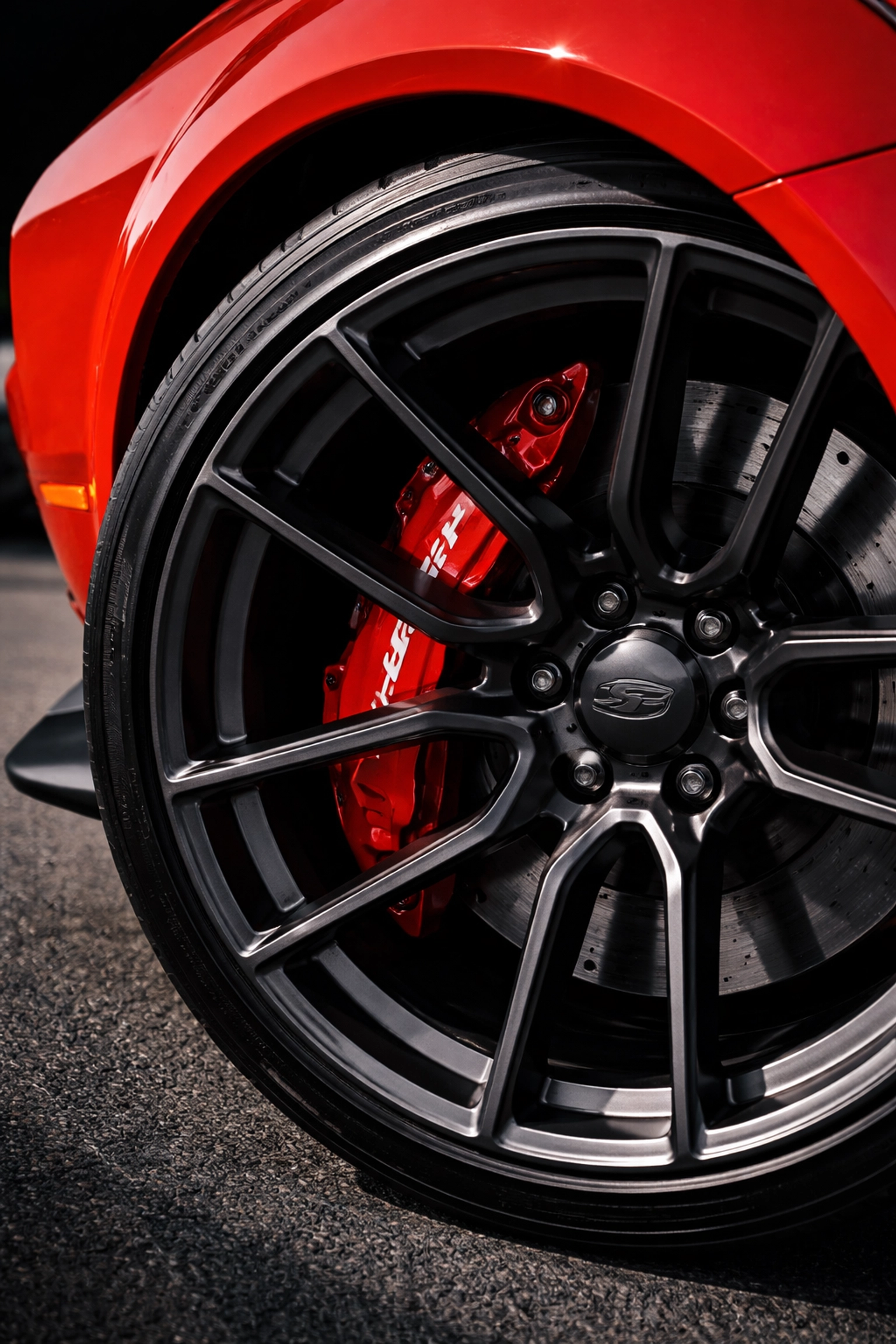
There's something satisfying about popping open the hood of a Dodge Challenger or Charger and knowing every detail looks as good as it performs. For many Mopar owners, the brake calipers are an underrated opportunity to add some serious curb appeal. When those wheels spin, a flash of color behind the spokes can make all the difference.
But here's the question that keeps coming up in forums and Facebook groups: should those calipers get a coat of paint, or is powder coating the way to go?
Both options have their merits, and the right choice depends on budget, how the car gets driven, and how much time and effort goes into the project. This guide breaks down everything a DIY enthusiast needs to know before grabbing a can of spray paint or booking an appointment with a powder coating shop.
Understanding the Two Methods
Painting Brake Calipers
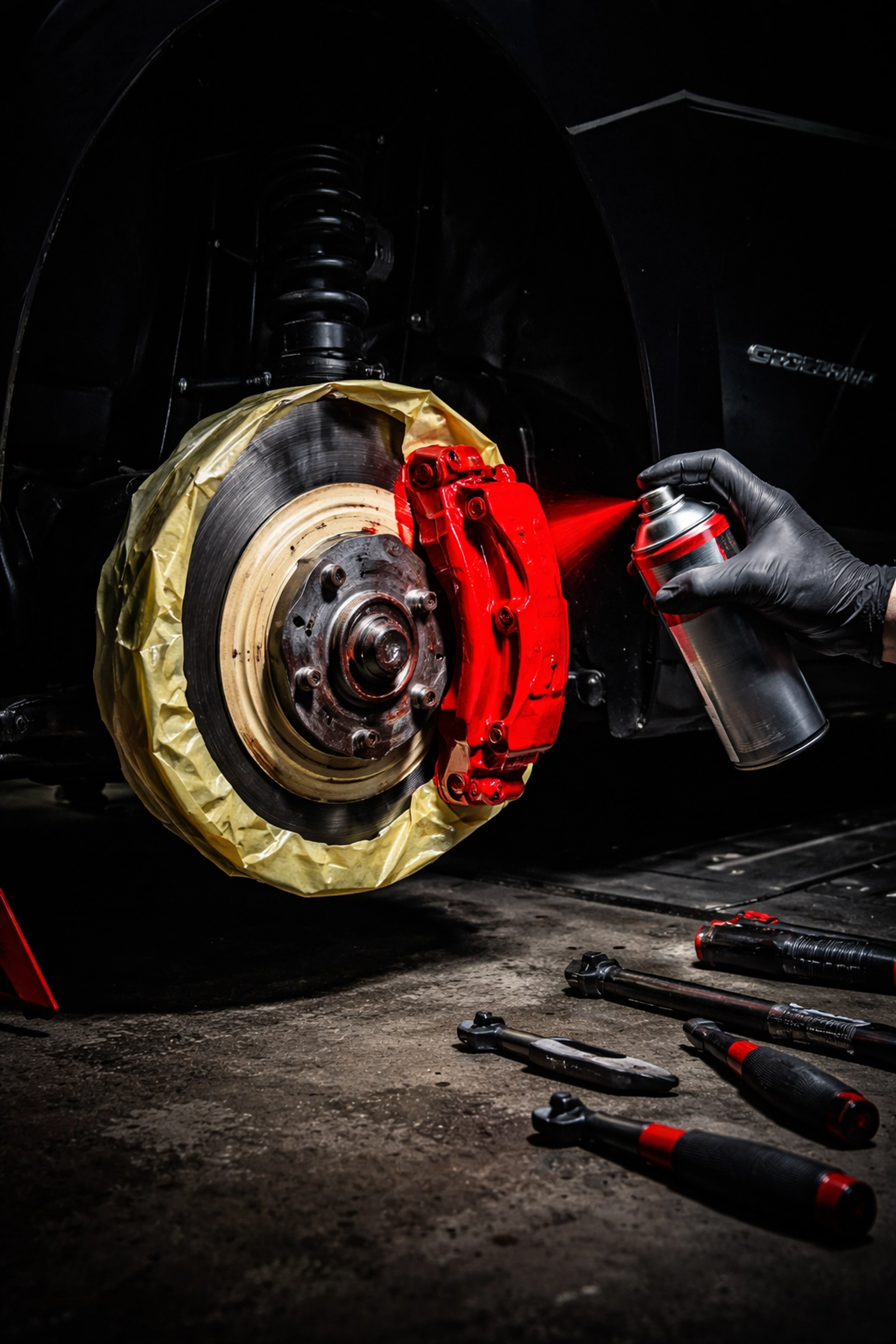
Painting brake calipers is the classic DIY approach. It involves cleaning the caliper surface, applying a heat-resistant primer, and then spraying on multiple coats of high-temperature paint. Some kits even include caliper decals to add a branded look.
The appeal is obvious: it's affordable, accessible, and can be done in a weekend without removing the calipers from the vehicle. For around $75 in materials: spray paint, sandpaper, masking tape, and decals: a set of calipers can go from factory drab to eye-catching.
Most automotive spray paints marketed for calipers are formulated to withstand temperatures up to 500°F, which handles normal street driving conditions. The process requires patience (proper surface prep is crucial), but it doesn't demand specialized equipment.
Powder Coating Brake Calipers
Powder coating takes a completely different approach. Instead of liquid paint, a dry powder made of pigment and resin particles gets electrostatically applied to the caliper surface. The part then goes into an oven where temperatures around 400°F cure the powder into a hard, uniform finish.
The result is a coating that's significantly thicker and more durable than traditional paint. Powder coating bonds to the metal at a molecular level, creating a finish that resists chipping, scratching, and fading far better than spray paint.
However, powder coating requires the calipers to be completely removed from the vehicle and disassembled. The high curing temperatures mean rubber seals, pistons, and other components must be removed before the coating process begins. This adds complexity: and cost: to the project.
For a deeper dive into the powder coating process, check out this explanation of how powder coating works.
The Head-to-Head Comparison
Durability
This is where powder coating pulls ahead significantly. The finish produced by powder coating is thicker, harder, and more resistant to the abuse brake calipers endure daily. Brake dust, road salt, gravel spray, and the constant heating and cooling cycles: powder coating handles it all with minimal wear.
Painted calipers, while adequate for casual driving, tend to show wear sooner. Brake dust accumulation can dull the finish over time, and chips or scratches are more likely to appear after a season or two of driving. Touch-ups become part of the maintenance routine.
For a daily driver that sees occasional spirited driving, paint can hold up reasonably well with proper prep work. For anything more demanding: track days, mountain roads, or harsh winter conditions: powder coating is the clear winner for longevity.
Heat Resistance
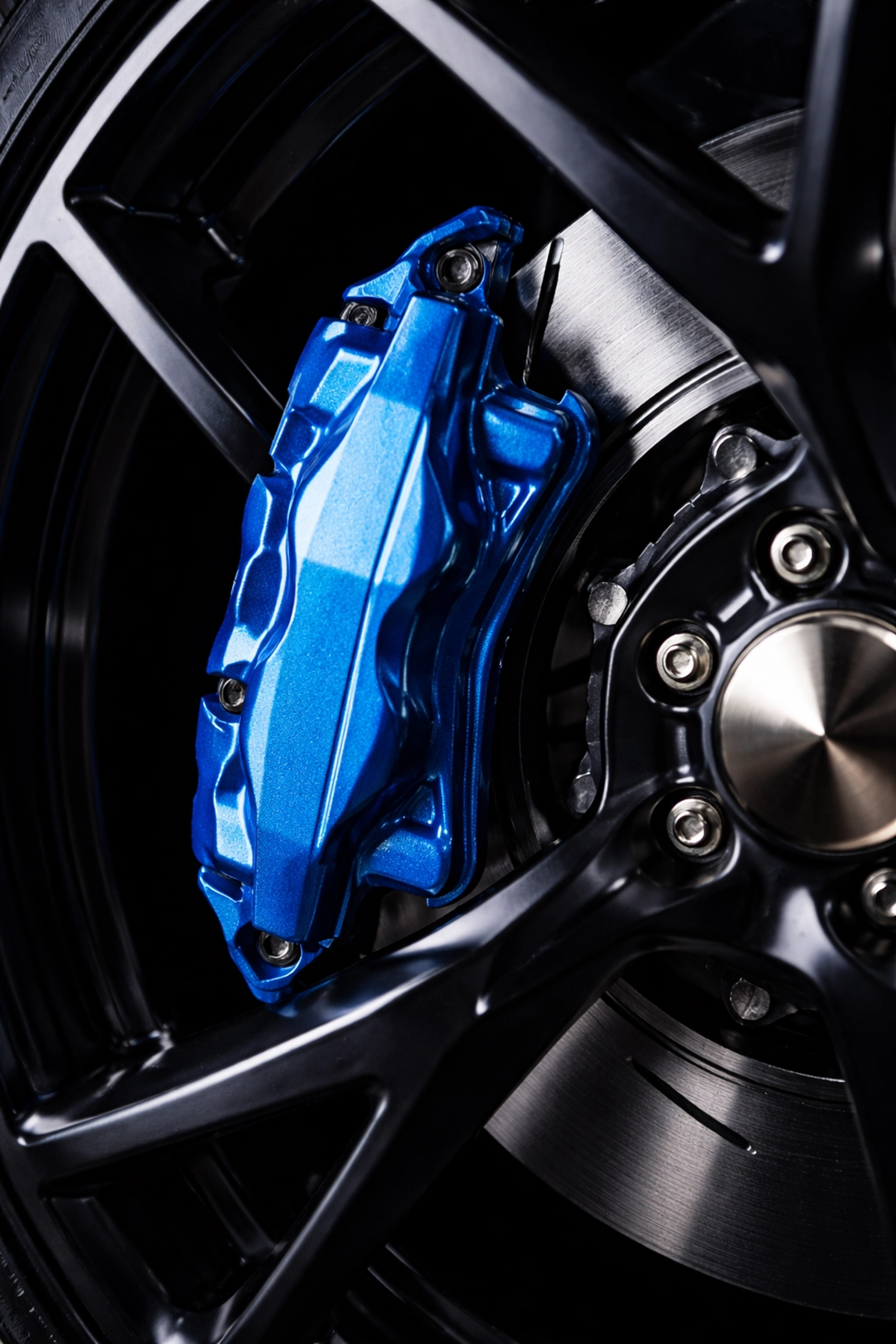
Brake calipers operate in an extreme environment. Under heavy braking, caliper temperatures can climb well above 300°F, and track use can push them even higher. This thermal stress is where many DIY paint jobs start to fail.
High-temperature caliper paint is designed to handle heat, but it has limits. Repeated thermal cycling can cause the paint to crack, peel, or discolor over time: especially if the surface prep wasn't perfect.
Powder coating, cured at around 400°F, is inherently more stable at high temperatures. The molecular bond created during the curing process means the finish won't break down as quickly under heat stress. For Mopar owners who enjoy pushing their Hemi-powered machines, this heat resistance matters.
Cost
Here's where DIY painting wins the budget battle. A quality caliper paint kit runs about $75, and the job can be completed without removing the calipers from the vehicle. No special tools, no professional labor costs.
Powder coating is a different story. The process typically starts around $120 for sandblasting and coating alone. Factor in caliper removal, disassembly, new seals, and rebuild kits, and the total can climb to $250 or more per axle. It's an investment.
That said, the cost difference narrows when considering longevity. A powder-coated finish that lasts five to ten years without touch-ups may actually cost less per year than repainting every couple of seasons.
Appearance
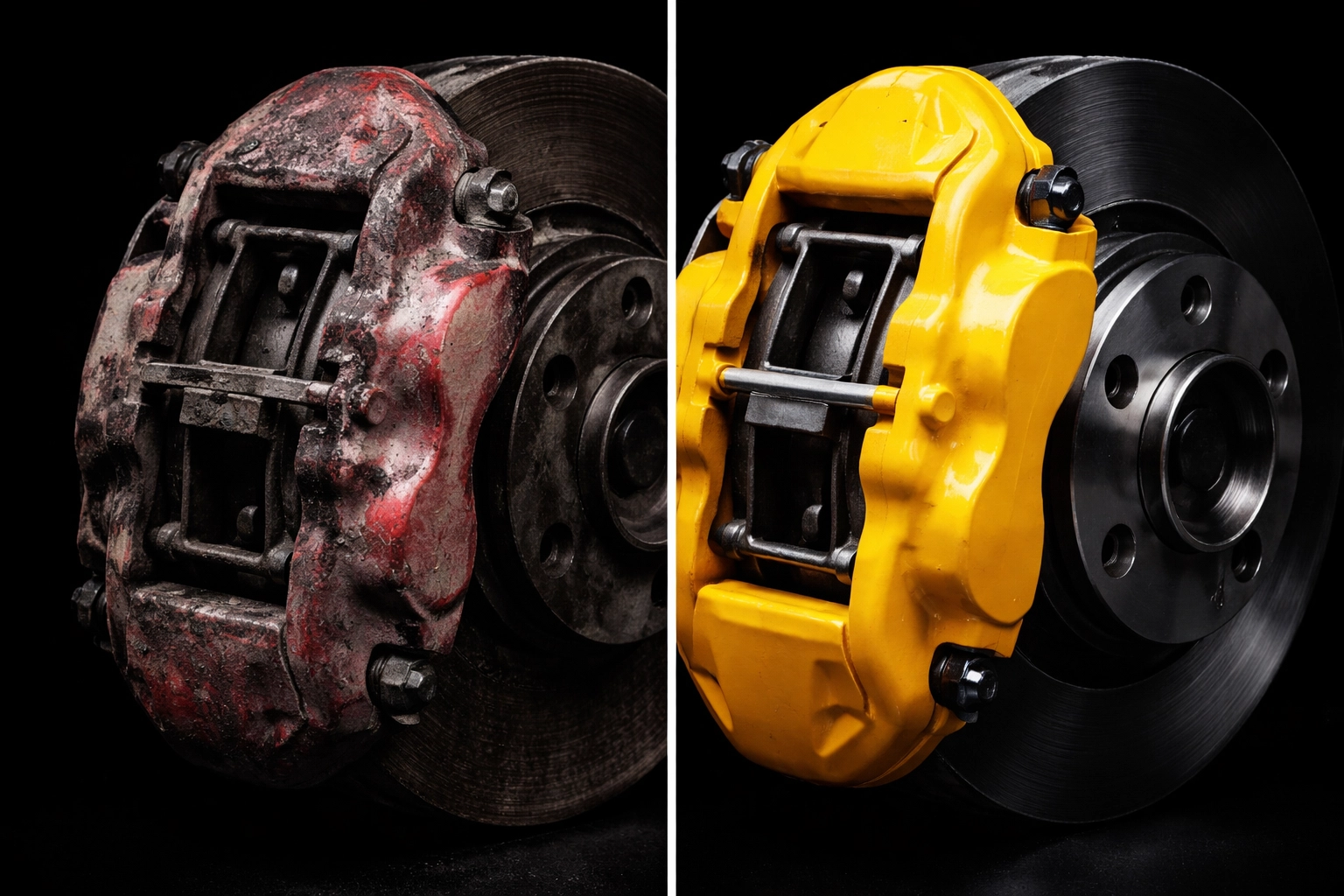
Both methods can look fantastic when done right. However, powder coating generally produces a more uniform, professional finish. The electrostatic application ensures even coverage, and the cured surface has a consistent gloss that's difficult to achieve with spray paint.
Painted calipers can look great too, but achieving that factory-quality finish requires skill and patience. Runs, drips, and uneven coverage are common pitfalls for first-time DIYers.
Why This Matters for Mopar Owners
Dodge Challengers, Chargers, and other Mopar vehicles have a passionate community that cares about authenticity. Slapping any random color on the calipers might look cool, but matching factory Mopar colors takes the build to another level.
This is where professional powder coating services really shine. Shops specializing in Mopar vehicles offer factory color matching that's nearly impossible to achieve with off-the-shelf spray paint. Whether it's matching the iconic B5 Blue, TorRed, or Pitch Black exterior, a proper color-matched caliper set completes the look.
These specialized services typically include clear coat protection and often come with warranties: something a DIY paint job can't offer.
A Better Option: The Core Exchange Program
Here's something many DIY enthusiasts don't realize: there's a middle ground between painting calipers in the driveway and paying a shop to disassemble, coat, and rebuild an existing set.
A core exchange program works like this: order a set of professionally powder-coated calipers in the desired color, install them on the vehicle, and then send the old calipers back. No waiting for the coating process, no downtime without brakes, and no dealing with caliper rebuilds.
For Mopar owners specifically, California Calipers offers powder-coated caliper sets for popular models like the Challenger and Charger. These come finished in authentic Mopar colors with professional-grade clear coat protection. The core exchange approach means getting that factory look without the hassle of a full DIY project or extended shop time.
It's the best of both worlds: professional powder coating quality with the convenience of a bolt-on upgrade.
Making the Decision
So which method is better? It depends on the priorities.
Choose DIY painting if:
- Budget is the primary concern
- The car is a daily driver with occasional weekend fun
- There's time and patience for proper surface preparation
- Touch-ups every few years aren't a dealbreaker
Choose powder coating if:
- Long-term durability matters more than upfront cost
- The car sees track time or aggressive driving
- A factory-quality, color-matched finish is the goal
- A professional warranty provides peace of mind
For Mopar owners who want the durability of powder coating without the hassle of a full DIY rebuild, a core exchange program offers an excellent compromise. The calipers arrive ready to install, finished in authentic factory colors, with the durability to handle whatever the road: or track: throws at them.
Either way, upgrading those brake calipers is one of the most visible modifications possible. Every time those wheels rotate, that flash of color makes a statement about the attention to detail that went into the build.
Contact California Calipers
California Calipers
Phone: 831-435-9558
Email: californiacalipers@nullgmail.com
Website: https://www.californiacalipers.com/
Recent Comments