


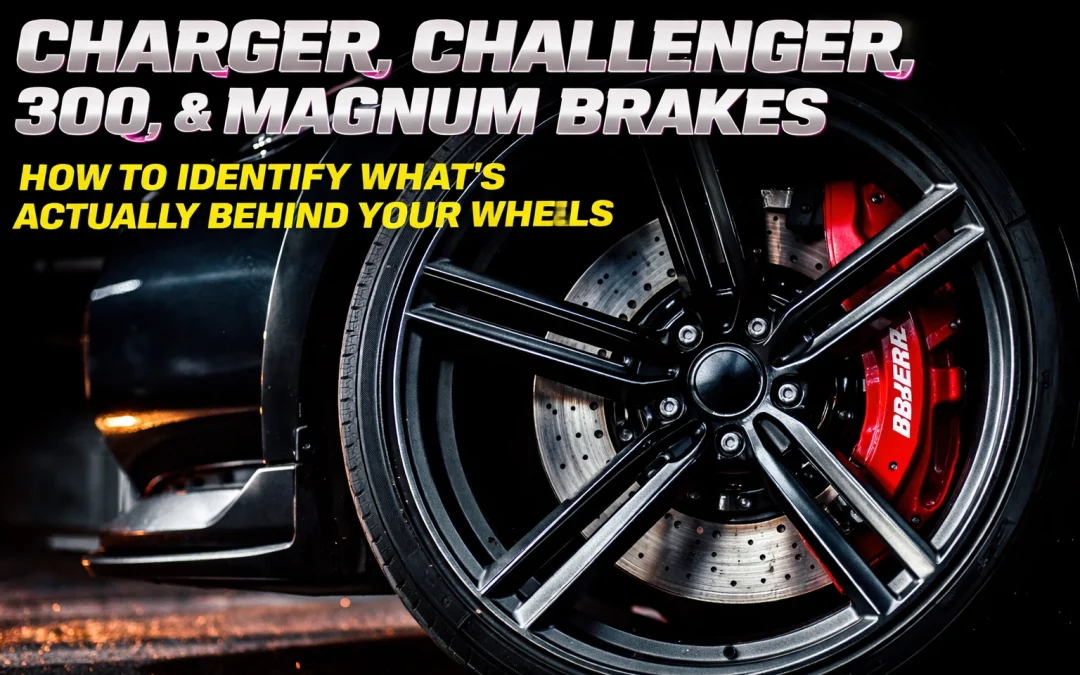
Ever peek through your wheel spokes and wonder what kind of brake setup is hiding back there? For Mopar owners rocking a Dodge Charger, Challenger, Magnum, or Chrysler 300, the answer isn't always obvious. These vehicles span multiple generations, engine options, and performance tiers: which means there's a surprising variety of brake calipers lurking behind those wheels.
Knowing exactly what brake system sits on your ride isn't just trivia for car meets. It matters when ordering parts, planning upgrades, or customizing those calipers with a fresh powder coat and some slick decals. This guide breaks down the different brake configurations found across these iconic Mopar platforms, from the humble single-piston setup on base models all the way up to the massive 6-piston Brembos on Hellcats.
The Base Squad: Single-Piston Calipers
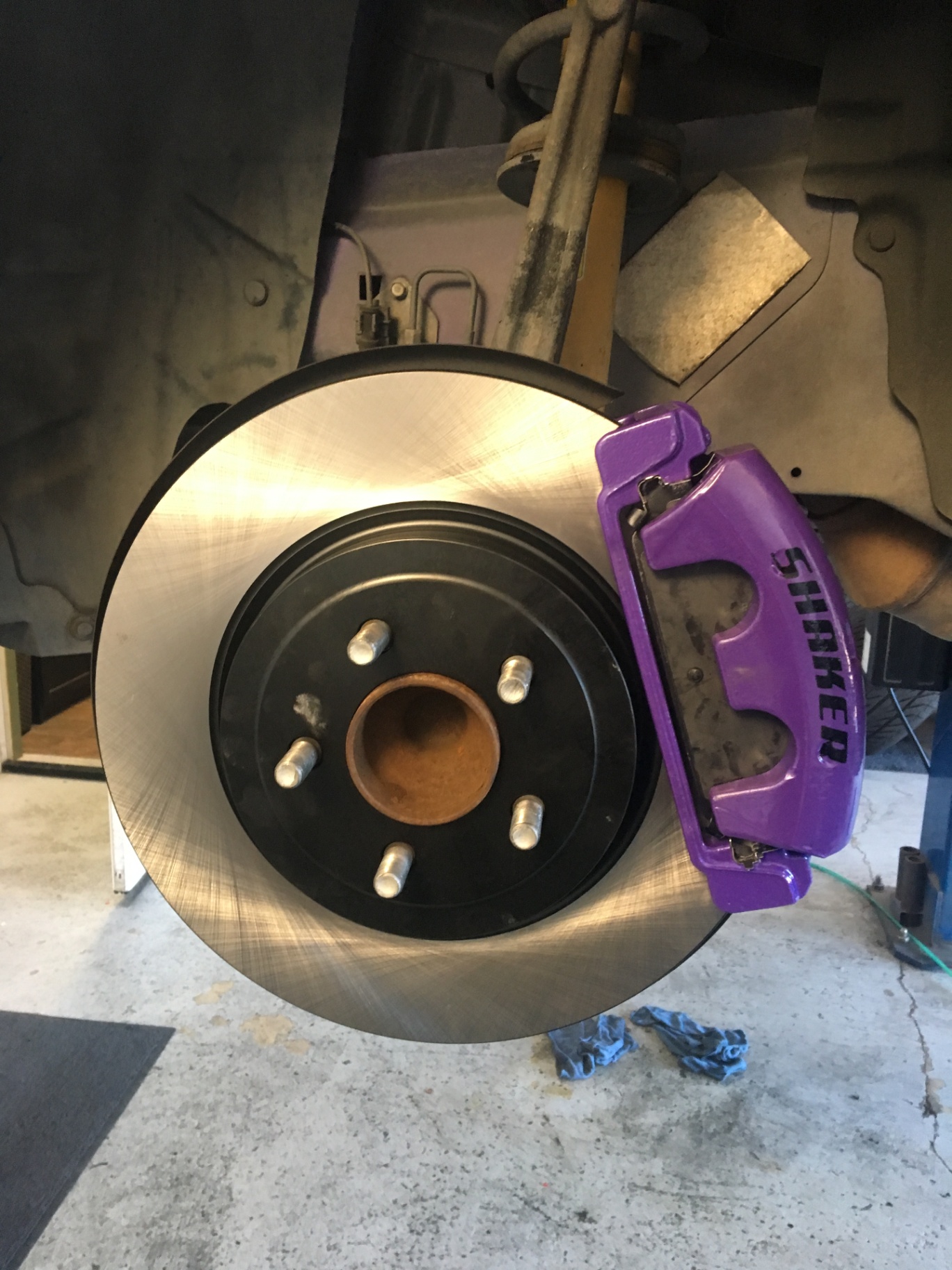
Starting at the foundation, base model Chargers, Challengers, 300s, and Magnums equipped with V6 engines typically come with single-piston floating front calipers. These are the workhorses of the brake world: reliable, straightforward, and perfectly adequate for daily driving duties.
Single-piston calipers use one piston to push the brake pad against the rotor. The caliper "floats" on pins, allowing it to center itself and apply pressure evenly from both sides. While they're not winning any awards for aggressive stopping power, they get the job done for commuters and casual drivers.
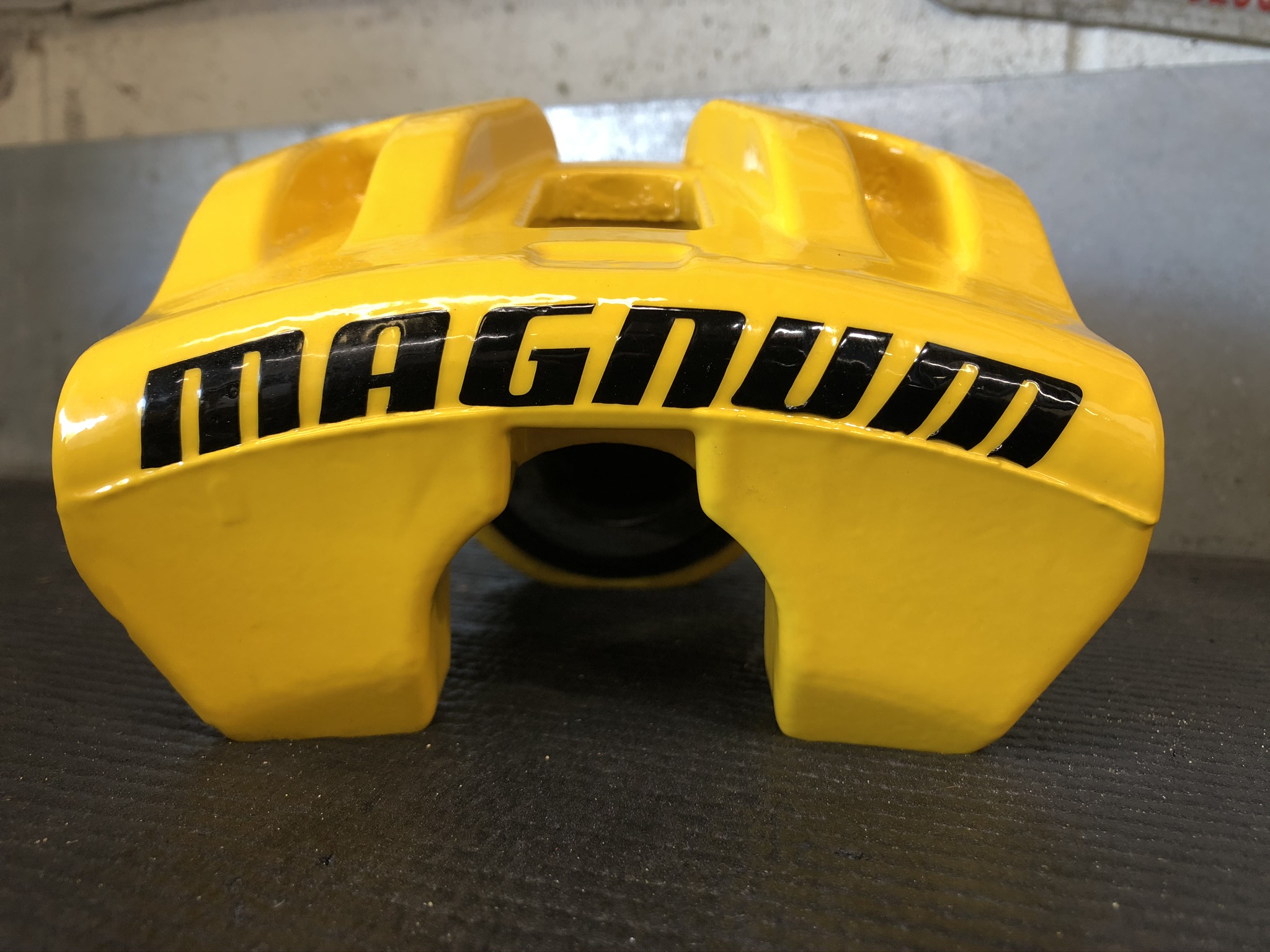
These calipers are often overlooked when it comes to customization, but that's a mistake. A vibrant powder coat can transform these modest units into eye-catching accents that pop through the wheel spokes. Just because the factory didn't go wild doesn't mean owners have to stay conservative.
Quick identification tips for single-piston setups:
- Smaller overall caliper size
- Single visible piston area
- Typically found on 2.7L and 3.5L V6 models
- Standard on non-performance trim levels
Stepping Up: Dual-Piston Front Calipers
Moving up the ladder, many V8-equipped models: particularly the R/T variants: feature dual-piston front calipers. This configuration provides noticeably improved braking performance over the single-piston units, which makes sense given the extra power these engines produce.
With two pistons working together, the brake pad applies force more evenly across its surface. This translates to better stopping power, more consistent pedal feel, and improved heat management during spirited driving. For R/T owners who enjoy the occasional spirited canyon run or track day, these upgraded brakes handle the extra demands without breaking a sweat.
The dual-piston calipers also offer more visual real estate for customization. That larger surface area looks fantastic when finished in a bold color, and there's plenty of room for model-specific decals like "Charger" or "Challenger" to really make a statement.
Spotting dual-piston calipers:
- Noticeably larger than single-piston units
- Two distinct piston areas visible
- Common on V8 R/T models
- Often paired with larger vented rotors
The Brembo Territory: 4-Piston Performance Brakes
Now things start getting serious. Performance trims like the Scat Pack, 392 HEMI models, and various SRT variants typically come equipped with 4-piston Brembo front calipers. These Italian-engineered stoppers represent a significant upgrade in both performance and appearance.
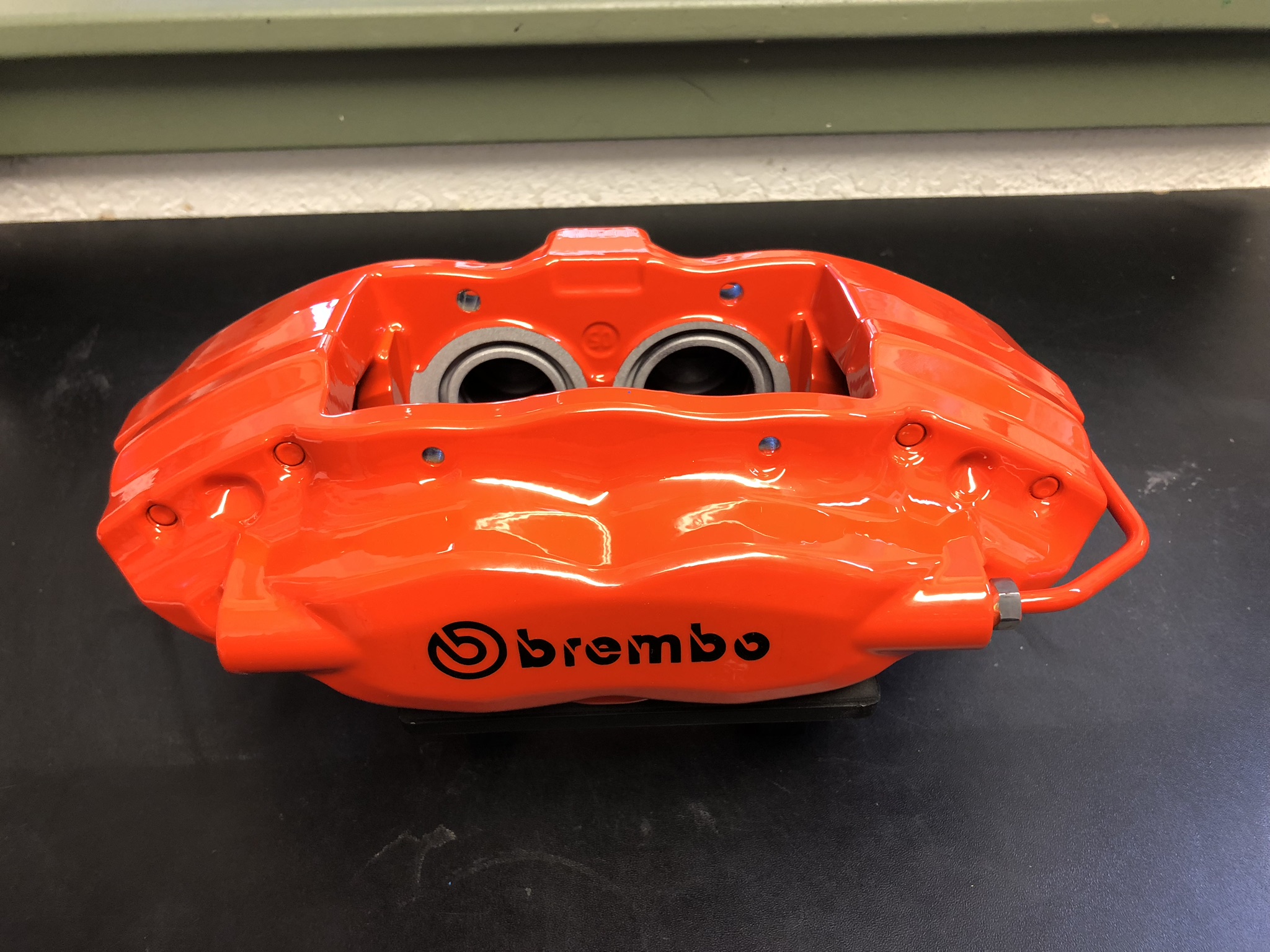
Brembo's 4-piston design uses a fixed caliper body with two pistons on each side of the rotor. This setup delivers exceptional clamping force, precise modulation, and the kind of fade resistance that matters during aggressive driving. When 485 horsepower meets a tight corner, these brakes provide the confidence to push harder.
The rotors paired with these calipers are substantially larger too: often around 13.58 inches (345mm) in diameter. Some configurations feature two-piece rotors with a 10-bolt pattern connecting the friction ring to the aluminum hat. This design reduces unsprung weight and improves heat dissipation.
From a customization standpoint, 4-piston Brembos are incredibly popular for powder coating. The factory finishes are typically red or silver, but owners often choose to match their car's paint, complement their interior accents, or go with a completely custom color scheme.
Identifying 4-piston Brembo calipers:
- Fixed caliper design (doesn't float)
- Four visible pistons (two per side)
- Brembo or SRT branding cast into the caliper
- Larger diameter rotors than standard equipment
- Common on Scat Pack, 392, and SRT models
The Top Tier: 6-Piston Brembo Monsters
At the absolute peak of Mopar braking performance sit the 6-piston front Brembo calipers found on Hellcat models and other top-tier variants. These massive stoppers are engineering marvels designed to repeatedly haul down 700+ horsepower supercharged machines from triple-digit speeds.
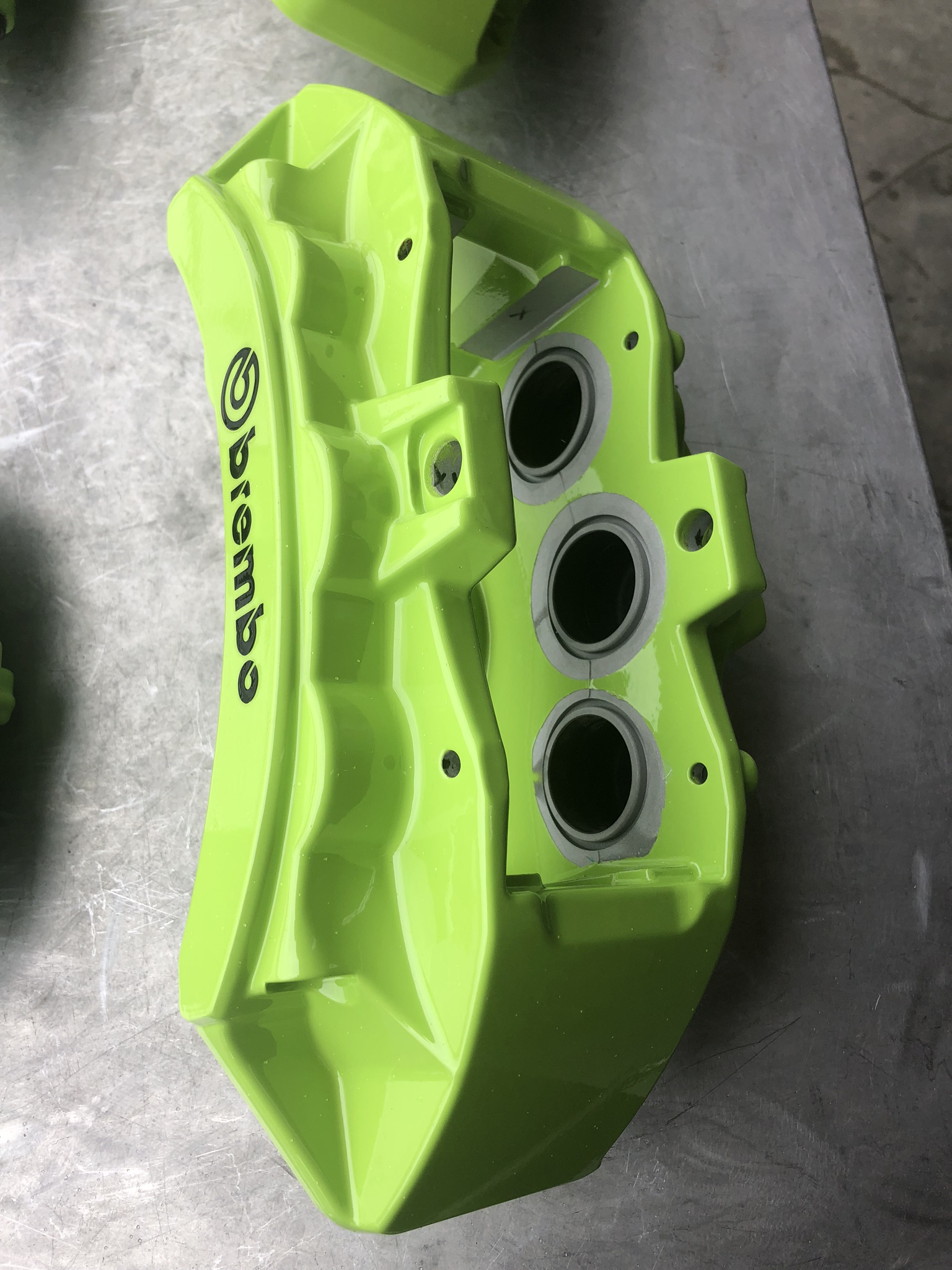
Six pistons provide enormous clamping force distributed across a larger brake pad surface area. The rotors on these systems are equally impressive: often measuring 15.7 inches in diameter with a 12-bolt two-piece construction. The sheer size of these components demands respect both on the track and in the parking lot.
These calipers typically display SRT badging rather than Brembo logos, though the Italian engineering underneath remains unmistakable. The factory often finishes them in attention-grabbing colors, but many owners prefer to customize them further with unique powder coat colors and personalized decals.
Recognizing 6-piston setups:
- Massive caliper body
- Six visible pistons (three per side)
- SRT branding (not Brembo) on most applications
- 15.7-inch rotors with 12-bolt pattern
- Found on Hellcat, Redeye, and Demon models
How to Identify Your Brake Setup
Not sure which category your ride falls into? Here are some reliable methods to figure it out:
Check the trim level and engine: This provides the best initial clue. V6 models typically have single-piston, V8 R/T models usually have dual-piston, Scat Packs and 392s generally have 4-piston Brembos, and Hellcats come with 6-piston units.
Look through the wheels: Count the piston areas visible on the caliper. Single-piston units are compact, while 6-piston calipers are unmistakably massive.
Examine the rotor: Check the bolt pattern on the rotor hat. Standard rotors have simpler mounting, while performance two-piece rotors show visible bolts connecting the friction ring to the center section.
Measure the rotor diameter: Larger rotors indicate upgraded brake packages. A measuring tape across the rotor face tells the story quickly.
Why This Matters for Customization
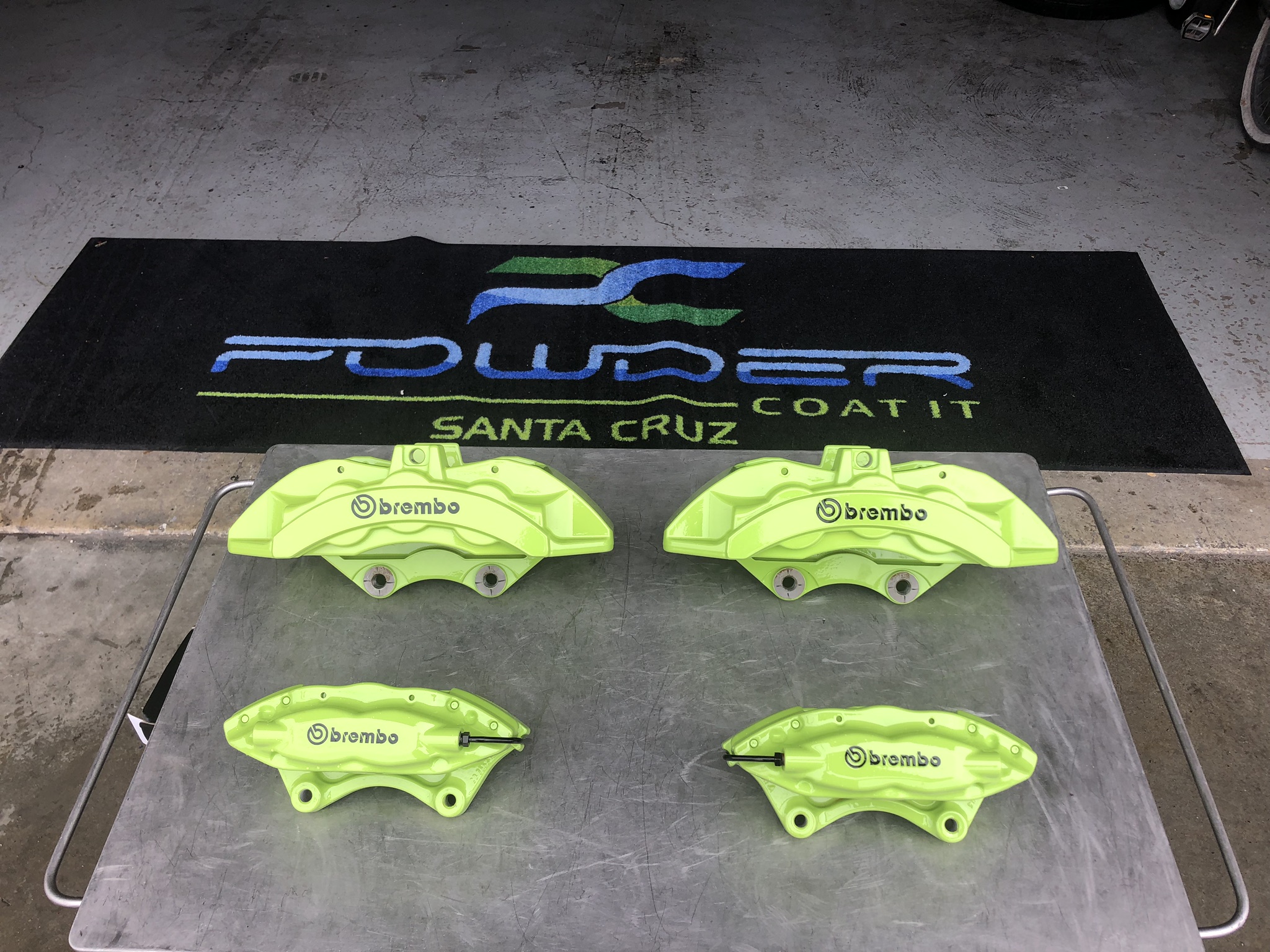
Understanding the brake system on a specific vehicle directly impacts customization options. Different caliper sizes require different approaches to powder coating, and the piston count affects both the visual impact and the practical aspects of the refinishing process.
For owners interested in custom powder coating, knowing the exact caliper configuration ensures proper preparation and finishing. California Calipers specializes in these specific Mopar models and maintains core exchange inventory for Dodge Chargers, Challengers, Chrysler 300s, and Dodge Magnums.
The core exchange program works simply: send in the old calipers and receive freshly powder-coated units ready for installation. This approach minimizes vehicle downtime and ensures a professional finish without tying up the car for days.
Whether rocking humble single-piston stoppers or massive 6-piston Brembos, a custom powder coat finish transforms the appearance of any brake setup. Matching factory Mopar colors, adding contrasting decals, or choosing a completely unique shade: all options are on the table once the caliper type is identified.
Check out the photo gallery for inspiration on color combinations and decal options across all these caliper configurations.
About California Calipers / Contact Us
California Calipers
831-435-9558
californiacalipers@nullgmail.com
https://www.californiacalipers.com/
Recent Comments